
Emergency Water Extraction in PLANO
Emergency Water Extraction Plano, TX: Fast Water Removal When It Matters Most
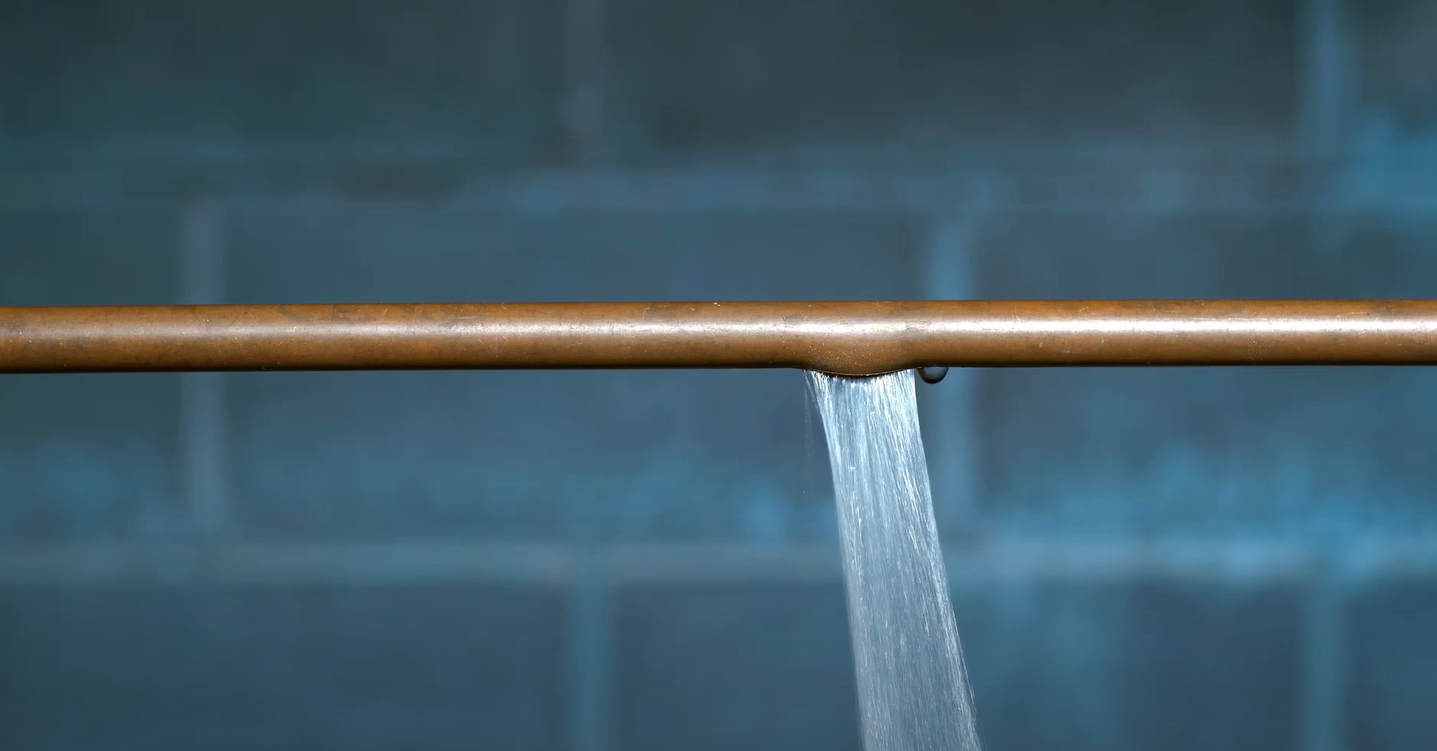
At 2 a.m., a Plano homeowner woke up to a sound nobody forgets, water. A pipe had failed upstairs, and the leak had already spread through the ceiling, across hardwood, and into keepsakes that cannot be replaced. By the time the lights came on, standing water had taken over the first floor.
Situations like this happen every week across Plano and the Dallas-Fort Worth area. Storm-driven flooding, slab leaks, appliance failures, and older plumbing can turn into a major cleanup fast. The biggest factor between a manageable repair and a long restoration project is simple, how quickly you remove the water.
What Is Emergency Water Extraction?
Emergency water extraction is rapid removal of standing water after a leak or flood. It is the first step in water damage mitigation, before drying, dehumidification, and repairs can truly work.
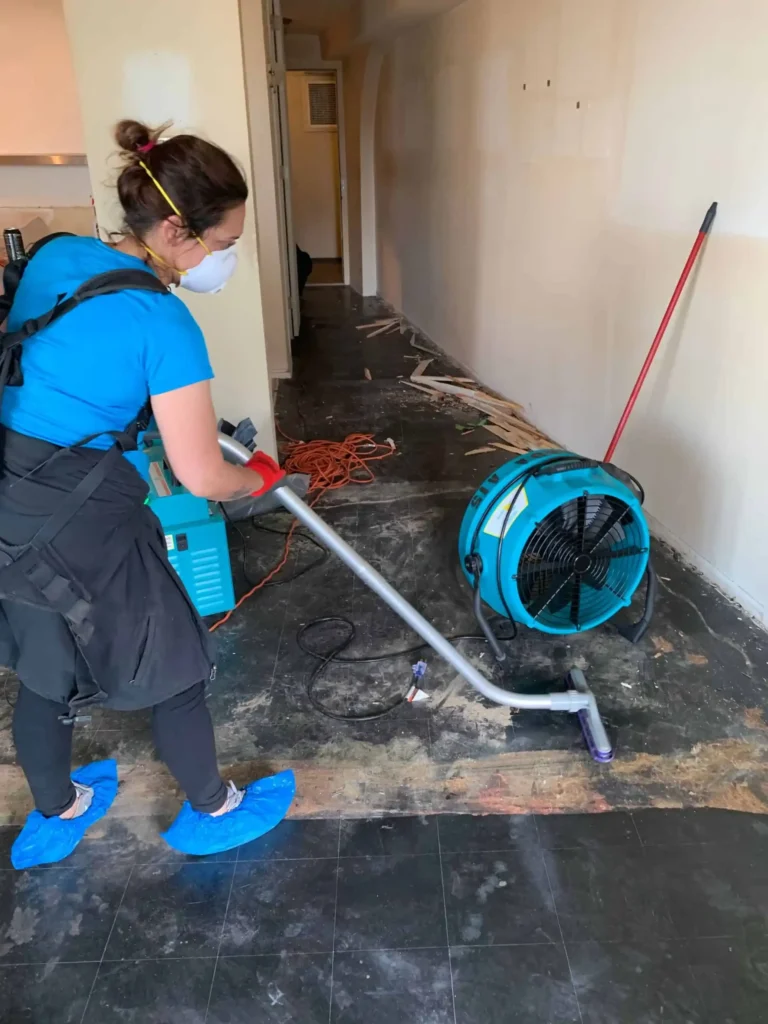
When water sits, it spreads. It seeps into baseboards, under flooring, inside drywall, and into insulation. Professional crews use high-capacity pumps, commercial extractors, and truck-mounted systems to pull water out quickly, far beyond what towels or a shop vac can handle.
The goal goes beyond “getting the water out.” Fast extraction helps limit swelling, warping, odor, and microbial growth. In North Texas humidity, you can see mold start to develop within 24 to 48 hours. That is why emergency water extraction in Plano, TX runs 24/7.
Why DIY Water Removal Usually Falls Short
It feels natural to start mopping and soaking up water right away. For small spills, that works. For real water damage, it rarely solves the problem.
Home equipment cannot keep up with volume or reach. Even if you remove visible puddles, moisture often remains trapped under carpet padding, inside subfloors, behind walls, and around cabinets. That hidden moisture leads to staining, buckling, and mold later.
Safety also matters. Standing water can hide electrical risk, contaminated water, or weakened building materials. A trained team can assess hazards, contain the affected area, and start cleanup the right way.
Plano-Specific Water Damage Challenges
Plano properties face a mix of risks that make fast response important.
- Storm runoff and neighborhood flooding: Heavy rain can overwhelm drainage and push water into garages, ground floors, and crawl spaces, especially near low-lying streets and creek-adjacent areas.
- Slab leaks and supply line breaks: Many homes deal with leaks under or within the slab that go unnoticed until flooring starts to cup or you smell musty air.
- Multi-story homes: Water travels down. A bathroom overflow upstairs can become ceiling damage, lighting issues, and soaked flooring below within hours.
Seasonal Water Extraction Needs in North Texas
Plano water damage calls change with the season.
- Spring and summer: Thunderstorms and flash flooding drive water intrusion, along with AC drain line clogs and condensation issues.
- Fall: Strong storm systems can dump heavy rain quickly, creating widespread water cleanup needs.
- Winter: Cold snaps can freeze pipes, especially in exterior walls, attics, and garages. Many homeowners discover the damage only after temperatures rise again.
Residential vs Commercial Water Extraction
Residential water extraction often focuses on protecting belongings while preventing long-term damage to floors, drywall, and cabinetry. That may include carpet water removal, hardwood floor drying, and careful content protection.
Commercial water extraction has different priorities. Businesses need rapid turnaround to reduce downtime. Retail spaces, offices, and warehouses may require larger crews, more equipment, and coordinated drying plans to reopen safely.
What to Expect During the Water Extraction Process
A professional water removal visit typically follows a proven workflow:
- 1. Safety check: Identify electrical hazards, contamination concerns, and structural issues.
- 2. Water category assessment: Clean water from a supply line differs from sewage or stormwater.
- 3. Extraction: Use commercial pumps and extractors to remove standing water quickly.
- 4. Moisture mapping: Moisture meters and thermal imaging help find trapped water in walls, floors, and ceilings.
- 5. Documentation: Photos, readings, and notes support insurance claims and track drying progress.
Why Speed Matters More Than You Think in Plano
Warm temperatures and humid air can slow natural drying and create ideal conditions for mold and material breakdown. Waiting can turn a straightforward water removal into a bigger project that includes demolition, odor control, and mold remediation.
Insurance also plays a role. Many policies expect prompt action to prevent additional damage. Quick mitigation and clear documentation can help keep a claim on track.
Choosing Emergency Water Extraction in Plano, TX
Look for a team that responds fast, shows up with commercial-grade equipment, and knows how to handle everything from burst pipes to flood cleanup. Ask about moisture detection, drying strategy, and how they document the job for insurance.
Get Back to Normal Faster
Emergency water extraction is not just about removing water. It is about protecting your home or business from the problems that follow.
If you are dealing with standing water, act now. Plano Water Damage Pros provides 24/7 emergency water extraction in Plano, TX, with fast water removal, thorough moisture detection, and clear documentation to support the next steps in restoration.